things-to-be-grateful-for
 |
| (Found here) |
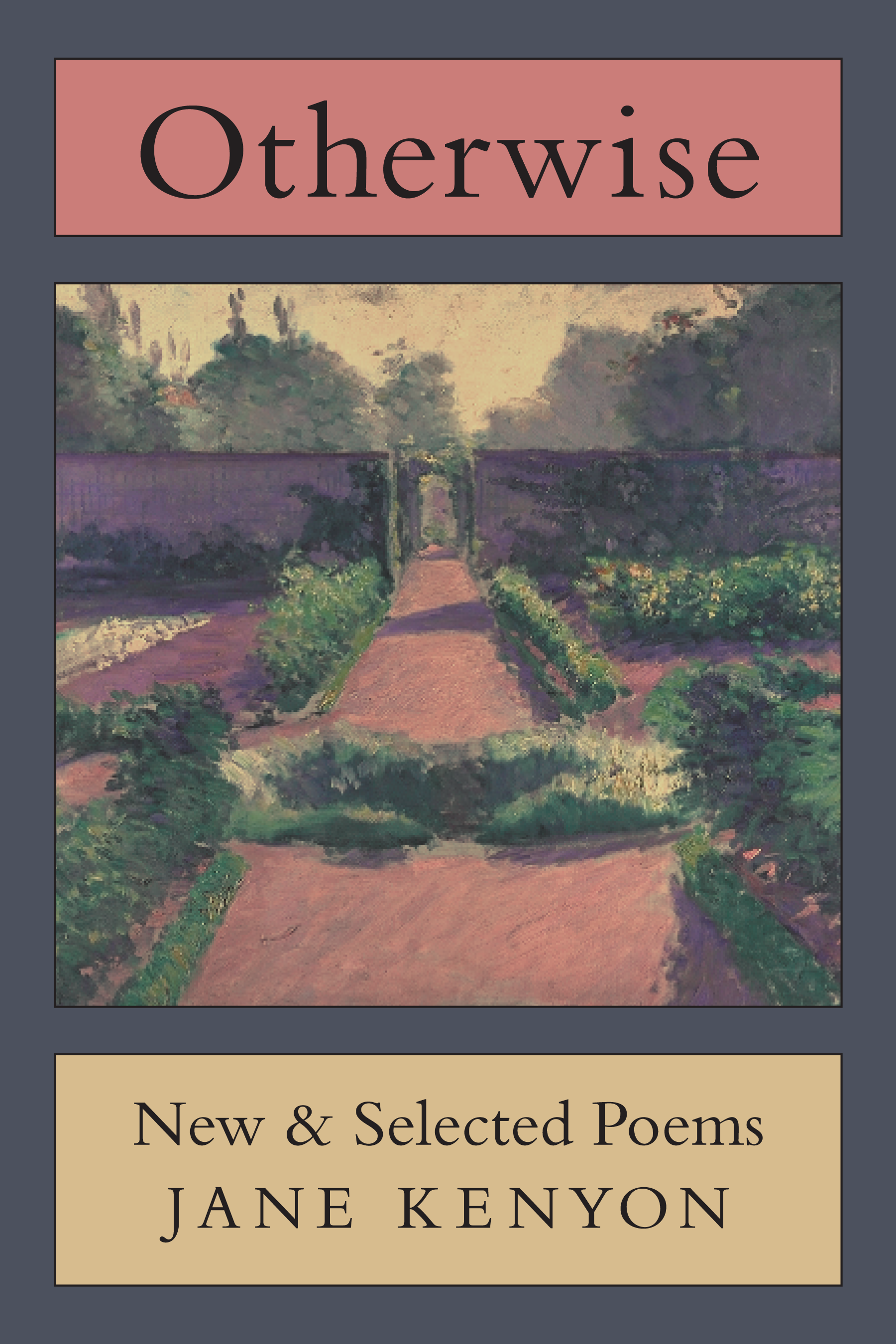
“Otherwise”
I got out of bed
on two strong legs.
It might have been
otherwise. I ate
cereal, sweet
milk, ripe, flawless
peach. It might
have been otherwise.
I took the dog uphill
to the birch wood.
All morning I did
the work I love.
At noon I lay down
with my mate. It might
have been otherwise.
We ate dinner together
at a table with silver
candlesticks. It might
have been otherwise.
I slept in a bed
in a room with paintings
on the walls, and
planned another day
just like this day.
But one day, I know,
it will be otherwise.
~Jane Kenyon (1947–1995)
on two strong legs.
It might have been
otherwise. I ate
cereal, sweet
milk, ripe, flawless
peach. It might
have been otherwise.
I took the dog uphill
to the birch wood.
All morning I did
the work I love.
At noon I lay down
with my mate. It might
have been otherwise.
We ate dinner together
at a table with silver
candlesticks. It might
have been otherwise.
I slept in a bed
in a room with paintings
on the walls, and
planned another day
just like this day.
But one day, I know,
it will be otherwise.
~Jane Kenyon (1947–1995)
“Lately I’ve been reading and rereading Jane Kenyon’s poem ‘Otherwise.’ It might have been otherwise is the refrain in what is essentially a list of blessings. Like a shadow, the words sidle up to each bright moment Kenyon names.
People like this poem. On one level, it’s a simple reflection on gratitude. Given what we know about Kenyon’s adult struggle with depression and her battle with the leukemia she knew would one day take her life, the poem’s simplicity makes it all the more poignant and powerful. Kenyon was suffering when she wrote this quiet prayer of thanksgiving.
This is part of the reason I like this poem, and I think it’s why I’ve been returning to it often recently. There are times when the struggle to reconcile gratitude with sorrow can feel like an impossible task. That Jane did it so beautifully and with such tender precision brings me comfort. That she found little comfort from her faith and yet persisted in her hope and her longing for God is remarkable to me.
‘Give thanks in all circumstances, for this is God’s will for you in Christ Jesus,’ Paul reminds us. All circumstances—not just the easy ones. My family keeps that old Thanksgiving tradition of going around the table, everyone naming their gratitude for the past year. Some of the younger cousins think it’s corny, but I love it. I love this window into our lives, this frame around each person’s story that gets us to say what’s important. I love this frame because it often gets us to name and embrace the difficult things, too.
That’s the extra layer to the poem for me—or rather, its negative image. In this world, perhaps, it could not have been otherwise. The reverse of the poem is also part of the full mystery of gratitude. This life of small pleasures is also this life of struggle and darkness. The circumstances of Kenyon’s life included this ‘ripe, flawless/peach’ and this walk in the woods, and also this depression and this leukemia.
When I read ‘Otherwise,’ I see the concrete realness of the things-to-be-grateful-for in my own life. My husband’s laugh. Snowy cherry blossoms. The purring cat. But in the space outside the poem, or maybe, in the silence surrounding Kenyon’s voice, I hear my own not-knowing. If I am grateful for my life because of the joy I feel in my marriage and work, should I not also be grateful for my life because of the grief I’m feeling after incomprehensible loss?
Yes, ‘it might have been otherwise.’ Though I’m ignorant of so much, I am aware of my many privileges: the simplest things I take for granted are extravagant luxuries for others. Even those in my own city. Probably my own block. Yet I want also to be grateful for what I don’t understand, for every part of the life I’ve been given.”
~Melissa Reeser Poulin

Comments